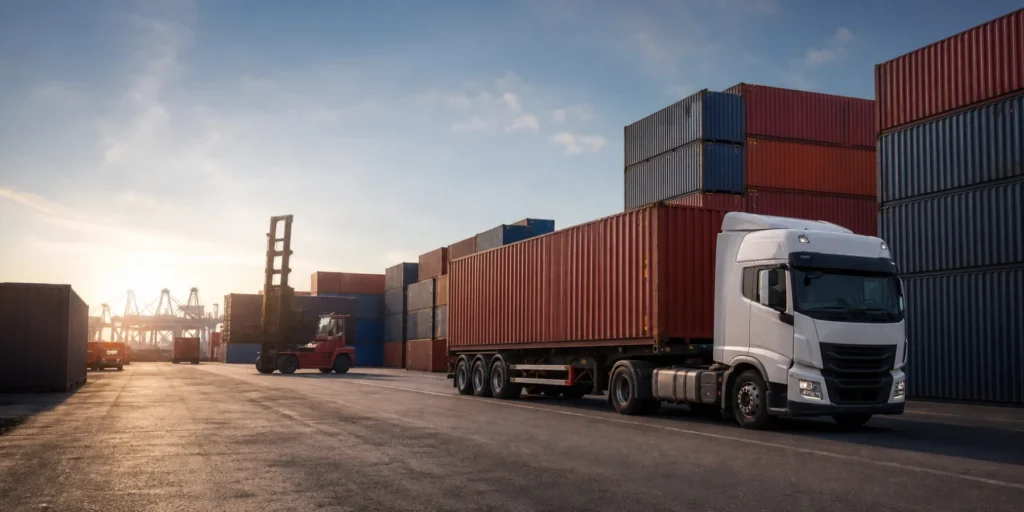
Container transport, sometimes searched for as shipping container transport or container haulage UK, covers the road movement of loaded or empty shipping containers between UK ports, rail terminals, inland depots, warehouses and customer sites. If you are importing, exporting, arranging shipping container haulage or repositioning boxes, the right provider needs more than a lorry. They need port booking knowledge, container equipment, weight awareness, clear communication and the ability to plan around demurrage, detention and site access.
TransportCompanies.co.uk helps businesses request container haulage quotes from suitable UK transport and logistics companies. We are not the carrying haulier for every job. Your request is reviewed and routed to relevant third-party providers who can discuss availability, pricing and operating details directly with you. There is no obligation to accept a quote.
Use this page to understand the main container types, what cargo usually goes in each one and what to tell a haulier before asking for a price.
How container transport quotes work
Submit the container details, locations, timing and any port references through the request form. We use that information to route the enquiry to suitable providers, which may include port hauliers, container delivery specialists, freight forwarders, warehousing companies or logistics operators with container capability. Depending on the job, one or more companies may contact you to clarify the movement and quote.
Be clear whether you need a loaded container moved, an empty container repositioned, a wait-and-return service while the box is unloaded, or a drop-and-collect arrangement. Also say who is handling line release, VBS or terminal booking, customs clearance, empty restitution and any lifting equipment. Crane, HIAB or container lifting is not automatically included in standard container haulage.
Container transport services
Most container transport jobs involve a port collection or delivery, but the details can vary sharply. A standard 20ft container from Felixstowe to a warehouse is a different job from a heavy 40ft high cube, a reefer box needing power checks, or a flat rack carrying machinery. Good container haulage companies will want the container size, weight, port or depot, booking references, delivery postcode, site restrictions and whether the box must be returned empty after unloading.
For buyers comparing container delivery options, the right match may be a port drayage specialist, a regional haulier with skeletal trailers, or a wider logistics company that can combine shipping container transport with devanning, storage and onward distribution.
- Port container haulage from Felixstowe, Southampton, London Gateway, Liverpool, Teesport and other UK ports.
- Container delivery to warehouses, factories, construction sites, farms and distribution centres.
- Empty container return, container repositioning and depot moves.
- 20ft and 40ft container transport, including high cube containers.
- Reefer container transport for chilled, frozen or temperature-controlled cargo.
- Flat rack, open top, tank and specialist container movements.
- Devanning, storage, cross-docking and onward pallet distribution where available.
Container types and example cargo
The container type matters because it affects the trailer, route planning, loading method, weight limits, insurance questions and unloading arrangements. The examples below are a practical guide for buyers preparing a container transport request.
20ft dry container
Example cargo: Dense goods, tiles, tools, machinery parts, food ingredients, cartons and bagged products.
Check: Gross weight, unloading equipment and whether the site can handle a shorter but often heavier box.
40ft dry container
Example cargo: Furniture, retail stock, packaging, clothing, e-commerce goods, components and lighter bulk consignments.
Check: Delivery access, turning space, seal number, container return deadline and unloading time.
40ft high cube
Example cargo: Light but bulky cargo, racked goods, furniture, plastic products, textiles and oversized packaged stock.
Check: Overall height, bridge or site restrictions and whether the delivery point accepts high cube containers.
Reefer container
Example cargo: Frozen food, chilled produce, pharmaceuticals, flowers, seafood, chocolate and other temperature-sensitive goods.
Check: Set point, temperature range, genset needs, plug-in arrangements and monitoring responsibility.
Open top container
Example cargo: Tall machinery, stone, glass, steelwork, timber, plant parts and cargo loaded by crane.
Check: Weather protection, lifting plan, out-of-gauge dimensions and whether the route may need permits or escorts.
Flat rack container
Example cargo: Industrial machinery, vehicles, boats, steel, pipes, large crates and abnormal loads.
Check: Lashing, loading method, over-width or over-height dimensions, route survey, insurance checks and specialist trailer needs.
Tank container
Example cargo: Food-grade liquids, chemicals, oils, powders and bulk liquid cargo.
Check: Product classification, ADR status, food-grade requirements, cleaning certificate, temperature needs and discharge equipment.
Bulk container
Example cargo: Grain, plastic granules, powders, aggregates and loose dry commodities.
Check: Loading and discharge method, contamination controls, tipping or liner requirements and site safety.
Side-opening container
Example cargo: Long pallets, timber, exhibition equipment, awkward freight and goods that cannot be loaded through rear doors.
Check: Forklift access along the side, space beside the container and load restraint requirements.
What affects container haulage costs?
Container haulage prices are shaped by more than mileage. A short port move can become expensive if the container is overweight, the booking slot is missed or the receiving site keeps the driver waiting. A longer movement can be efficient if the haulier can plan the return leg, match the port booking and avoid empty running.
Key pricing factors include container size, loaded weight, route, port booking time, delivery postcode, waiting time, empty return, hazardous or temperature-controlled cargo, storage requirements and whether the haulier needs a skeletal trailer, genset, low loader or specialist equipment. Overweight containers can create legal and operational problems, so give the gross weight honestly before a vehicle is allocated.
If the container is going to a residential address, small yard or construction site, be clear about access before booking. The haulier will need to know turning space, trailer-height unloading, forklift access, time limits, local restrictions and whether the driver is expected to wait while the container is unloaded.
Information to include in a container transport quote request
The more detail you give, the easier it is for container transport companies to quote accurately. Poor information often leads to revised prices, missed collections or avoidable delay.
- Collection point, port, terminal, depot or railhead.
- Delivery address, postcode and site opening hours.
- Container size and type, including 20ft, 40ft, high cube, reefer, tank, open top or flat rack.
- Loaded weight, cargo description and whether the goods are hazardous, high value or temperature controlled.
- Container number, seal number, release reference and any port booking details if already known.
- Whether the driver waits while the container is unloaded or returns later for the empty box.
- Forklift, crane, loading bay, yard space and any site restrictions.
- Any demurrage, detention or free-time deadline that needs protecting.
Port movements, demurrage and detention
For import containers, timing is critical. Demurrage can apply when a container stays at the port beyond the free period. Detention can apply when the box leaves the terminal but is not returned within the shipping line’s allowed time. These charges can rise quickly, so the haulier needs accurate release information, realistic delivery instructions and a plan for returning the empty container.
Export movements have their own timing pressures. The container needs to be packed, sealed, weighed where required and delivered before the port cut-off. If you are new to import or export work, it can also be worth speaking to a freight forwarding provider or customs specialist alongside the road haulier.
Related transport and logistics support
Container transport often connects with other services. Some importers need warehousing after devanning, some need pallet delivery for onward distribution, and others need temperature-controlled transport after a reefer container is unloaded. If you are unsure which service fits, submit the request with the cargo details and we will route it to suitable transport and logistics providers.
Need quotes for this service?
Tell us what you need, where the job is and any timing or handling details. We'll route your request to suitable transport companies.