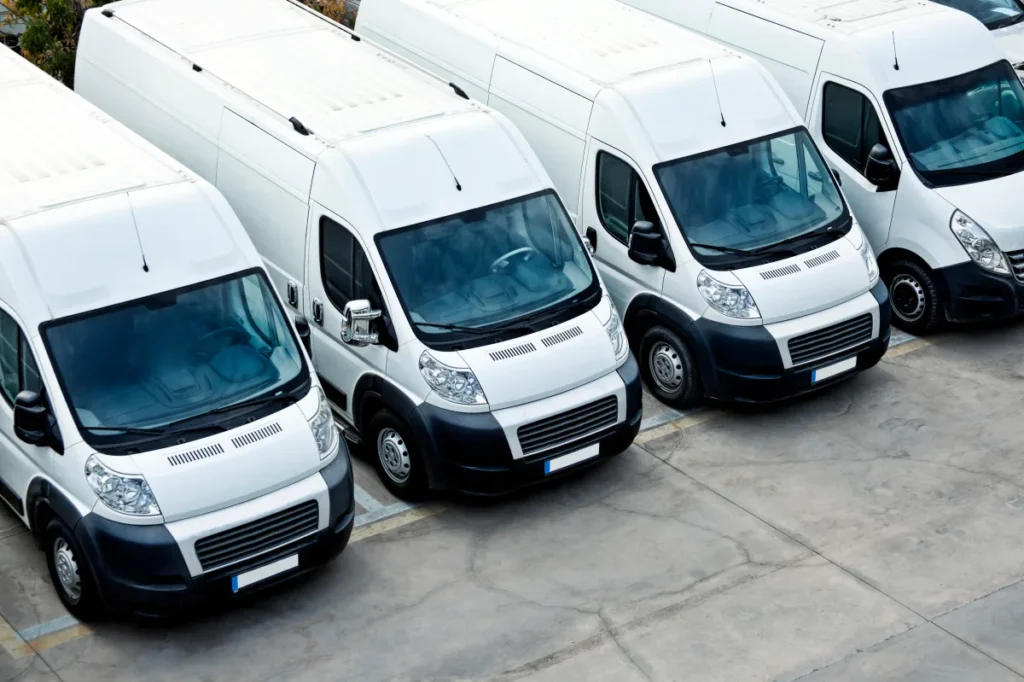
Logistics companies plan, manage and control the movement of goods from collection through to delivery, storage, documentation and reporting. For a UK business, the right logistics company is not just a lorry supplier, it is the firm that keeps stock moving, customers informed and legal duties covered. Poor logistics soon shows up as missed delivery slots, damaged freight, excess stock, waiting time, chargebacks and unhappy customers.
Logistics Companies And What They Actually Do
The work behind the delivery
Good logistics companies bring together transport, warehousing, stock control, route planning, freight booking, delivery scheduling and paperwork. In day to day terms, they decide how goods should move, which vehicle is needed, when it should be collected, how it should be packed, where it should be stored and what proof is needed at the end.
In my experience, the best logistics work is often invisible. Goods arrive on time, the paperwork matches, the driver knows the site rules, the office can answer a query, and nobody has to chase five different people to find out where a pallet has gone.
Typical Services Offered By A Logistics Company
Common scope of work
The exact service depends on the freight, volume and customer promise, but most logistics uk providers cover some or all of the following:
- Same day, next day and economy pallet distribution.
- Full load and part load haulage.
- Warehousing, pick and pack, stock holding and order fulfilment.
- Freight management across road, sea, air and rail.
- Returns handling, reverse logistics and failed delivery management.
- Timed deliveries, booking in, tail lift work and site delivery planning.
- Customs, import and export support where international movement is involved.
If your goods are moving internationally, a specialist freight forwarding provider may be needed as part of the wider logistics and transport arrangement.
How To Choose Between Logistics Companies
Checks before you commit
Do not choose on the cheapest rate alone. A low pallet price is no use if the provider cannot handle your delivery windows, product type or customer expectations. Ask what freight they move every week, not what they say they can move on a sales call.
- Check whether vehicles are operated under the correct goods vehicle operator licence where required. Official guidance is available at GOV.UK goods vehicle operator licensing.
- Ask for goods in transit insurance levels, public liability cover and any exclusions.
- Check experience with your freight type, such as fragile goods, food, machinery, parcels, pallets, ADR or high value items.
- Confirm coverage, depot network, delivery cut off times and tracking arrangements.
- Ask how claims, shortages, damages and failed deliveries are handled.
- Look for clear account management, not just a rate card.
You can compare UK haulage and logistics companies by service area, location and specialism before making enquiries.
Pricing And Cost Factors
What affects the rate
Logistics pricing normally depends on distance, weight, cube, vehicle type, handling time, delivery urgency, storage requirement and administration. A single pallet on a two day service may be priced very differently from a timed retail delivery with a tail lift and booking slot. Full loads are often priced by mileage, vehicle size and waiting time, while warehousing may include pallet storage, pick fees, packaging, labour and system charges.
Be clear about the real job. Give dimensions, weights, collection times, delivery restrictions, forklift availability and contact details. Many disputes start because a job quoted as a standard pallet becomes a handball delivery, timed booking or long wait at site. For regular work, ask for a service level agreement covering cut offs, proof of delivery, claims process and review meetings.
Compliance, Records And UK Rules
Where responsibility sits
A professional transport company should understand operator licensing, drivers’ hours, vehicle maintenance, load security and insurance. For international goods, check whether customs declarations, commodity codes, Incoterms and export paperwork are included or handled separately. GOV.UK provides practical guidance on importing goods into the UK, which is important where freight crosses borders.
If waste, hazardous goods, food, pharmaceuticals or controlled products are involved, do not assume a general logistics provider is suitable. You may need specialist equipment, trained drivers, correct documentation and permitted disposal or handling routes. A proper provider will tell you what they cannot legally carry.
Practical Tips Before Sending An Enquiry
Information that gets better quotes
- Prepare weekly or monthly shipment volumes, not just one example load.
- Give accurate pallet sizes, weights and stackability.
- List delivery postcodes, booking rules and any timed delivery needs.
- Say whether goods need tail lift, Moffett, HIAB, temperature control or secure transport.
- Ask for proof of delivery format, tracking access and customer notification options.
- Check whether the provider can scale at peak periods.
A good logistics company will ask awkward questions at the start. That is usually a positive sign. It means they are trying to price and plan the work properly rather than promising everything and fixing problems later.
Use />Transport Companies UK/a> to compare and enquire with logistics companies, haulage companies and transport companies free through Transport Companies UK.
Need quotes for this service?
Tell us what you need, where the job is and any timing or handling details. We'll route your request to suitable transport companies.